How to Become an IAS Officer: A Comprehensive Guide
Understanding the IAS: An Overview
The Indian Administrative Service (IAS) is one of the premier civil services of India, playing a pivotal role in the nation’s governance and administration. Established in 1950, IAS officers are regarded as the backbone of the Indian bureaucracy, and their work significantly influences the implementation of policies and development programs. Their responsibilities encompass a wide array of functions, ranging from implementing government initiatives to managing public resources and ensuring law and order.

IAS officers hold prominent positions within the government structure. They serve at different levels, including state and central government roles, and can be found in various capacities such as district collectors, divisional commissioners, and secretaries in various ministries. The position of an IAS officer is prestigious, and it comes with a high degree of responsibility and authority. These officers are tasked with tackling issues related to public administration, social welfare, and economic development, thereby directly affecting the lives of citizens.
Furthermore, the IAS plays a crucial role in the broader context of Indian democracy by ensuring the efficient functioning of the government machinery. IAS officers are entrusted with the duty of maintaining harmony between the political and bureaucratic entities, thereby facilitating effective governance. Their efforts contribute significantly to maintaining public order and delivering essential services, especially in times of crisis or natural disasters. The selection process for becoming an IAS officer, which includes rigorous examinations and interviews, underscores the high standards expected of candidates to ensure that only the most capable individuals join this esteemed service.
In essence, the Indian Administrative Service represents an opportunity to make a meaningful impact on society through dedicated public service. With their pivotal role in governance and public administration, IAS officers hold the potential to shape policies and effect positive change in the nation, all while reinforcing the pillars of democracy in India.
Eligibility Criteria and Exam Structure
Becoming an Indian Administrative Service (IAS) officer requires meeting specific eligibility criteria and successfully passing a series of examinations. The journey begins with fulfilling essential educational qualifications, which mandate that candidates must hold a bachelor’s degree from a recognized university in any discipline. This ensures that aspirants possess a foundational understanding and critical thinking abilities applicable in various administrative tasks.
In terms of age limits, candidates generally must be between 21 and 32 years old for the general category, with age relaxations applicable for reserved categories. This provision allows for a diverse range of candidates, giving individuals from different backgrounds an opportunity to serve in the IAS. Furthermore, candidates must be Indian citizens, ensuring that those who hold this esteemed position are deeply rooted in the cultural and national context of India.
The IAS examination comprises three phases: the Preliminary Examination, the Main Examination, and the Personality Test (Interview). The Preliminary Examination serves as an initial screening test featuring two objective-type papers: General Studies and an optional subject. Successful candidates then move on to the Main Examination, consisting of nine papers, including mandatory language papers and optional subjects. Each of these papers requires comprehensive knowledge, analytical skills, and effective writing abilities.
The evaluation process entails a detailed grading system, where marks obtained in the Main Examination play a significant role in determining progress to the Personality Test. This final stage assesses candidates through face-to-face interviews, focusing on personality traits, leadership qualities, and decision-making capabilities. A thorough understanding of the syllabus, which encompasses a wide array of subjects including History, Geography, and Social Issues, is crucial for success throughout the examination stages.
Preparation Strategies for the IAS Exam
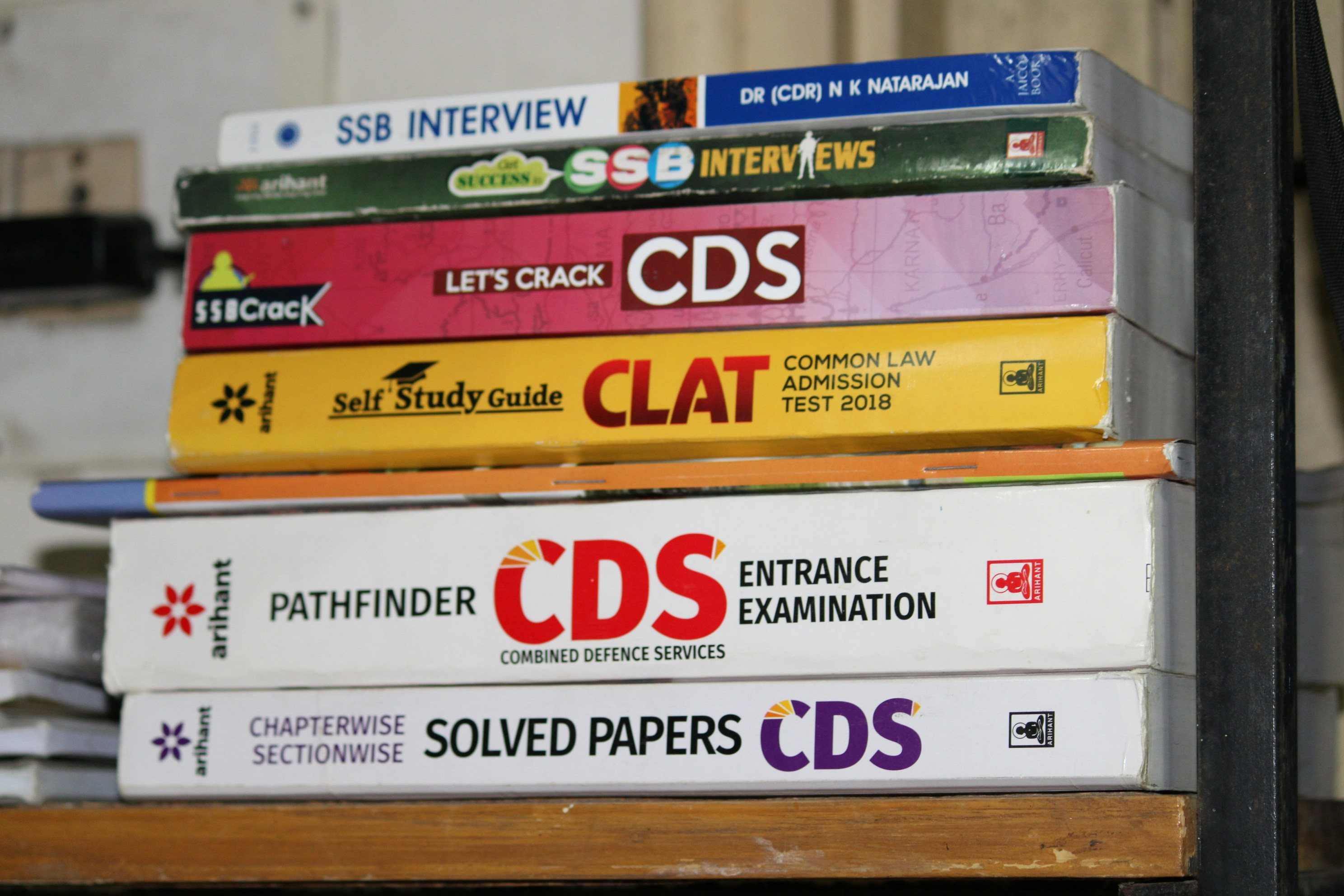
Preparing for the Indian Administrative Service (IAS) examination is a rigorous and demanding process that requires a well-structured strategy. The first step towards effective preparation is to select appropriate study materials. Candidates should focus on high-quality resources such as NCERT books, standard reference texts for specific subjects, and reliable online platforms. It is crucial to cover the IAS syllabus thoroughly while ensuring that you are using materials that are both comprehensive and up-to-date.
Time management is another vital aspect of preparation. Creating a detailed study plan that allocates specific hours to each subject can greatly enhance productivity. Candidates should factor in regular revisions and practice sessions within this schedule. A good approach involves breaking down the syllabus into manageable sections and setting daily, weekly, and monthly goals. This not only facilitates consistent learning but also prevents last-minute cramming, which can lead to burnout.
Staying abreast of current affairs is essential for IAS aspirants, as this knowledge plays a significant role in both the Preliminary and Mains examinations. Candidates should dedicate time daily to read newspapers and follow prominent news portals. Engaging with magazines that analyse current events can also provide deeper insights and varied perspectives on important issues, which can be beneficial during the interview stage as well.
Mock tests are a cornerstone of IAS preparation. Taking regular mock exams helps candidates familiarize themselves with the exam format and manage their time effectively during the actual test. These tests not only highlight strengths but also identify weak areas that require further attention. This iterative approach of assessment and improvement is crucial for success.
Lastly, it is essential to maintain mental health and a balanced lifestyle while studying for the IAS. Candidates should ensure they allocate time not only for academic pursuits but also for relaxation and hobbies. This balance will help reduce stress and increase overall efficiency in preparation, ultimately contributing to better performance in the IAS examination.
Navigating the Training Process and Career Path
Upon selection for the Indian Administrative Service (IAS), candidates are required to undergo rigorous training designed to prepare them for the multifaceted roles and responsibilities they will undertake. This training begins with an induction phase at the Lal Bahadur Shastri National Academy of Administration (LBSNAA), located in Mussoorie. The prestigious LBSNAA is crucial in shaping the future IAS officers by providing them with an in-depth understanding of public administration, governance, and the socio-economic landscapes of India.
The training at LBSNAA is a blend of academic lectures, practical exercises, group discussions, and fieldwork. Trainees participate in various modules covering essential subjects such as law, finance, and human resource management. Furthermore, they are introduced to the constitutional and legal framework of India, which is foundational for effective governance. The training also emphasizes ethical leadership and accountability, instilling a sense of integrity and service in the future bureaucrats.
Following their tenure at the academy, IAS officers embark on a period of practical training at the district level, where they work alongside experienced officials. This on-ground exposure is invaluable as it allows the trainees to familiarize themselves with the district administration, public service delivery mechanisms, and the challenges faced in rural and urban governance.
As for career paths, the IAS offers diverse opportunities for advancement. Officers can specialize in various sectors, including finance, urban development, and foreign affairs, among others. Over time, IAS officers may rise to senior positions, such as Secretaries to the Government of India or even hold key roles in policymaking. The career trajectory of an IAS officer can be both fulfilling and dynamic, reflecting the commitment to serve the nation and contribute meaningfully to its development.